The Changing Landscape of Real Estate in 2024: Trends and Insights
The real estate market is always in flux, shaped by economic factors, technological advancements, and shifting consumer demands. As 2024 unfolds, several trends and developments are reshaping the industry, presenting opportunities and challenges for investors, developers, and homeowners alike. Here’s a deep dive into the latest happenings in the world of real estate.
Urban Living Redefined: The Rise of Smart Cities
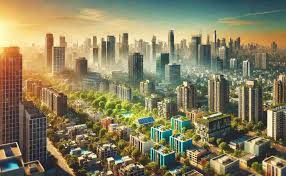
Smart cities are no longer a futuristic concept. Across the globe, urban areas are leveraging technology to enhance livability, efficiency, and sustainability. Cities like Singapore, Dubai, and Barcelona are leading the way, integrating IoT devices, AI-driven urban planning, and green infrastructure into their real estate projects. Investors are keenly observing these developments, recognizing the potential for high returns in properties within these tech-forward urban centers.
Suburban Surge: A Continued Post-Pandemic Effect
The post-pandemic shift toward suburban living remains strong. Remote work and hybrid work models have allowed more people to move away from city centers, seeking larger homes and greener spaces. This trend is driving up demand—and prices—in suburban real estate markets. Developers are responding by creating self-sustaining communities with schools, parks, and shopping centers to meet the needs of these migrating populations.
Sustainability Takes Center Stage
With increasing awareness of climate change, sustainability is becoming a key focus in real estate development. Buyers and tenants are prioritizing energy-efficient homes, eco-friendly materials, and renewable energy sources. Governments are also stepping in with regulations and incentives to promote green building practices. This shift is pushing developers to innovate, creating properties that meet both regulatory standards and consumer expectations.
Real Estate Technology: Transforming Transactions
Technology is streamlining the way real estate transactions occur. Virtual reality (VR) tours, blockchain-enabled contracts, and AI-powered property management tools are becoming mainstream. These advancements are making the process of buying, selling, and managing properties more transparent, efficient, and secure. For example, blockchain technology ensures tamper-proof property records, reducing fraud and simplifying transactions.
The Rise of Co-Living and Co-Working Spaces
As affordability becomes a concern, co-living spaces are gaining popularity among millennials and Gen Z. These setups offer shared living spaces with private rooms, providing an affordable and community-driven lifestyle. Similarly, co-working spaces are evolving to cater to the hybrid work culture, offering flexible and cost-effective solutions for businesses and freelancers.
Affordable Housing: A Persistent Challenge
Despite growth in many areas, affordable housing remains a significant issue. Rising property prices and interest rates are making homeownership increasingly inaccessible for many. Governments and private organizations are exploring innovative solutions like modular construction, rent-to-own schemes, and public-private partnerships to address this challenge.
Global Real Estate Investments: New Opportunities
International real estate markets are attracting attention, especially in regions with growing economies. Investors are looking beyond traditional markets in the US and Europe, exploring opportunities in Southeast Asia, Africa, and Latin America. These regions offer lower entry costs and the potential for high returns, especially in residential and commercial properties.
Outlook for 2024 and Beyond
The real estate market in 2024 is dynamic and multifaceted, shaped by innovation, economic shifts, and societal changes. For stakeholders, staying informed and adaptable is crucial. Whether it’s leveraging new technologies, embracing sustainable practices, or exploring emerging markets, the key lies in understanding and anticipating the evolving needs of buyers and investors.
In this ever-changing landscape, one thing remains constant: real estate continues to be a cornerstone of wealth creation and economic growth.