Impact of Gaming in Modern Society
Gaming has evolved from a niche hobby into a global phenomenon, influencing culture, technology, and social interaction in profound ways. What was once considered a pastime for a select few has now become one of the most widespread forms of entertainment, engaging millions of players across all age groups and backgrounds. As gaming continues to develop, it is important to understand its multifaceted impact on society, from its role in fostering creativity and community to the challenges it presents.
The Growth of the Gaming Industry
The gaming industry began with simple arcade games like Pong in the 1970s and gradually transformed into a multi-billion-dollar industry. With the advent of home consoles like the Nintendo Entertainment System (NES) in the 1980s and the PlayStation in the 1990s, video games reached a wider audience. The 2000s marked the rise of online gaming, with massively multiplayer online role-playing games (MMORPGs) such as World of Warcraft revolutionizing the way people interacted with each other in virtual worlds.
Today, gaming is a global industry encompassing mobile games, online multiplayer games, esports, and virtual reality (VR). With platforms like Steam, Epic Games Store, and mobile app stores, players have access to thousands of titles across genres, allowing for personalized gaming experiences that cater to a wide range of interests and skill levels.
Gaming as a Creative Outlet
One of the most significant contributions of gaming is its ability to foster creativity. Many games, particularly those in the sandbox genre, encourage players to think critically and use their imagination. Titles like Minecraft and The Sims provide players with open-ended gameplay, where the only limit is their own creativity. Players can build entire cities, create unique stories, and even design their own games within games.
In addition, game design itself has become a popular career path, with universities offering courses in game development and design. As technology continues to advance, game developers can create increasingly immersive worlds, incorporating detailed graphics, complex narratives, and intricate mechanics. This constant innovation drives the gaming industry forward, pushing the boundaries of what’s possible in interactive entertainment.
Gaming and Social Connection
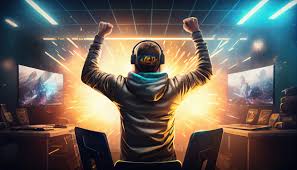
Gaming has also become a powerful social tool, bridging the gap between people from different cultures and backgrounds. Online multiplayer games allow individuals to connect with others worldwide, forming friendships and communities. Games like Fortnite, League of Legends, and Apex Legends have large, dedicated fan bases that interact through in-game chat, live streams, and social media platforms.
The rise of esports has further cemented gaming’s social influence, with professional players and teams competing in tournaments watched by millions. This has elevated gaming to the level of a spectator sport, with sponsorships, broadcasting rights, and even college scholarships now available to top players. Esports has become a career for many young players, and for fans, it offers a sense of belonging to a vibrant community.
The Challenges of Gaming
Despite its many positives, gaming is not without its challenges. Excessive gaming can lead to addiction, with some players spending unhealthy amounts of time in front of screens at the expense of other activities. Additionally, there are concerns about the impact of violent video games on behavior, although studies have shown mixed results on this front.
Another issue is the rise of microtransactions and in-game purchases, which have been criticized for creating a “pay-to-win” environment in some games. These monetization strategies can create a divide between players who spend money and those who don’t, leading to an uneven playing field in competitive gaming.
Conclusion
Gaming is no longer just a form of entertainment—it is a cultural force that influences everything from technology and creativity to social interaction and even professional careers. As the industry continues to evolve, it is clear that gaming will remain a central part of modern society. While challenges such as addiction and microtransactions need to be addressed, the positive aspects of gaming—fostering creativity, building communities, and pushing technological boundaries—will continue to shape the future of entertainment and human connection.