unjust dismissal vs wrongful dismissal differ
Understanding employment termination laws can be confusing because different legal systems use similar terms to describe related but distinct concepts. One of the most commonly misunderstood comparisons is How does Unjust dismissal vs wrongful dismissal differ?, especially since both involve situations where an employee feels their termination was unfair or improper. While the two terms are often used interchangeably in everyday conversation, they are not always legally identical. The distinction largely depends on whether the focus is on fairness in the termination process or on breach of an employment contract.
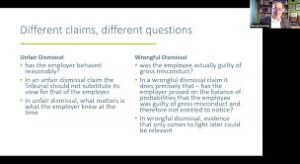
At its core, unjust dismissal typically refers to a termination that is considered unfair, unreasonable, or not in accordance with proper procedures established by labour laws or workplace policies. The emphasis is on the fairness of the employer’s decision and whether the employee was treated justly throughout the termination process. For example, if an employee is dismissed without being given a chance to respond to allegations, or if the employer fails to conduct a proper investigation before making a decision, it may be considered unjust. In many jurisdictions, labour laws are designed to protect employees from arbitrary or discriminatory dismissals, and unjust dismissal claims often arise under these statutory protections. The key idea is that even if an employer has a valid reason, the way they carry out the dismissal must still meet standards of fairness.
Wrongful dismissal, in contrast, is more closely tied to contract law. It occurs when an employer breaches the terms of the employment agreement when terminating an employee. This could involve failing to provide the required notice period, not paying compensation in lieu of notice, or dismissing an employee in a way that violates the written or implied terms of the contract. Unlike unjust dismissal, wrongful dismissal does not always require the termination to be unfair in a broader moral or procedural sense; it focuses specifically on whether the employer has violated contractual obligations. For instance, if a contract states that an employee must receive four weeks’ notice before termination but they are fired immediately without notice or payment, this would typically be considered wrongful dismissal.
How does unjust dismissal vs wrongful dismissal differ?
When examining Statutory protection, the difference becomes clearer in terms of legal foundation. Unjust dismissal is rooted in employment law and labour standards, emphasizing fairness, due process, and protection from abusive practices. Wrongful dismissal is rooted in contract law, focusing on whether the employer has honored the agreed terms of employment. This means that an employee may experience a termination that feels unfair but is not necessarily wrongful in a contractual sense, or vice versa. In some cases, however, both concepts may apply simultaneously if the dismissal is both procedurally unfair and in breach of contract.
The remedies available for each type of dismissal also highlight their differences. In cases of unjust dismissal, legal bodies such as labour tribunals may order remedies like reinstatement of the employee, compensation for lost income, or corrective action by the employer to address procedural violations. These remedies are designed to restore fairness in the employment relationship. On the other hand, wrongful dismissal typically results in financial compensation rather than reinstatement. Courts generally award damages equivalent to what the employee would have earned during the required notice period, along with any additional benefits outlined in the contract. The goal is to place the employee in the financial position they would have been in if the contract had been properly followed.
Another important distinction lies in how these claims are pursued. Unjust dismissal claims are often handled through labour boards or employment tribunals that specialize in workplace fairness and statutory protections. Wrongful dismissal claims, however, are usually resolved in civil courts as breach of contract disputes. This procedural difference reflects the underlying legal principles of each concept and influences how cases are argued, evaluated, and resolved.
Ultimately, understanding How does Employment standards differ? is essential for both employees and employers. Employees need to know their rights so they can take appropriate action if they believe they have been treated unfairly or unlawfully terminated. Employers, on the other hand, must ensure that they comply with both contractual obligations and fair employment practices to avoid legal disputes. While the two terms are closely related and sometimes overlap in real-world situations, their legal foundations, remedies, and processes are distinct, making it important to recognize the differences when addressing termination issues in the workplace.